
South African kids are burning through 8 to 10 hour days of school, homework and competitive sport. Most are running on a lunchbox packed before 7am and whatever they grab at the tuck shop. That's how young athletes end up fainting at cross-country, cramping in hockey matches and crashing at bedtime. This guide is what we wished someone had handed us when our own kids first started collapsing at school sports.
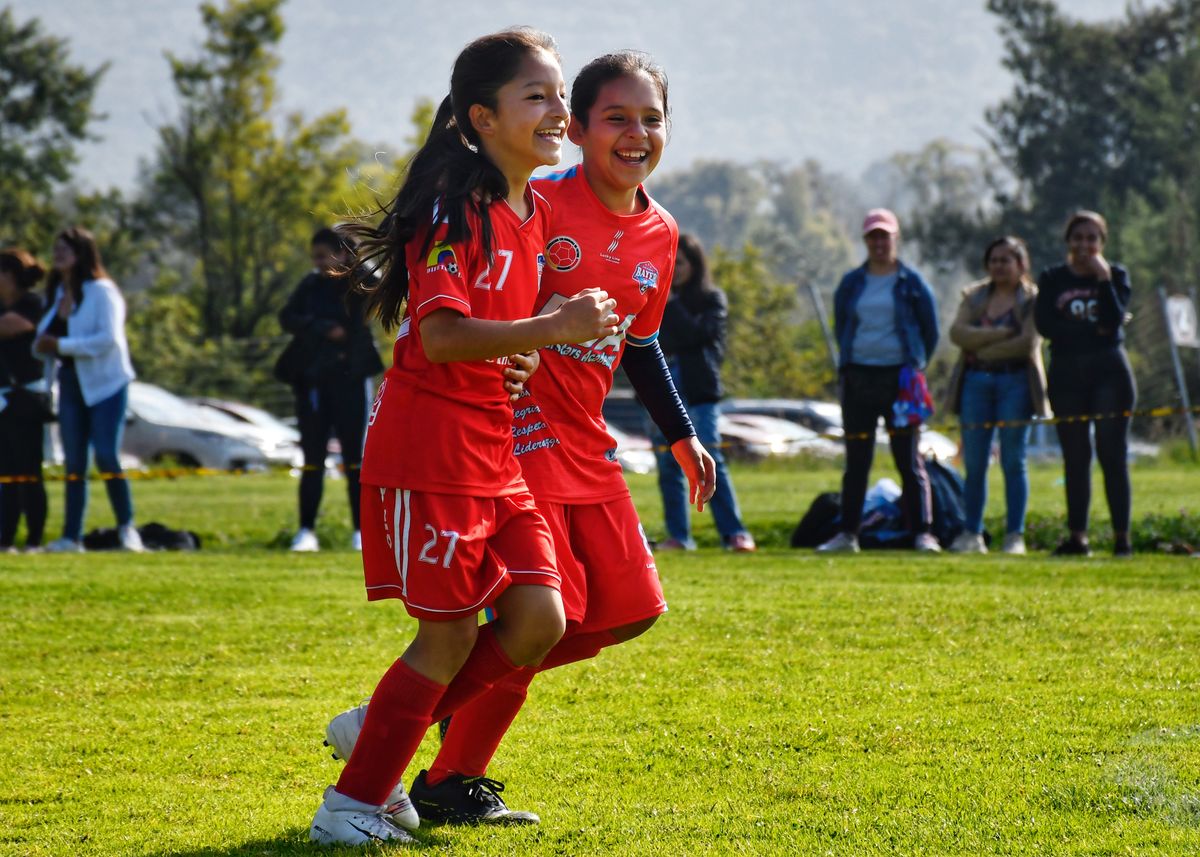
Why Active South African Kids Need a Nutrition Plan
Run Baby Run exists because our own children started fainting at school. Our teenagers were doing 6am swim practice, a full school day, then rugby or hockey in 30-degree Gauteng afternoons. They weren't eating enough. They weren't drinking anywhere close to enough. And sports nutrition aimed at kids basically didn't exist in the SA market.
We're not alone. Research published in the South African Journal of Sports Medicine found that 54% of U16 rugby players in KwaZulu-Natal were using some form of supplementation, often without proper nutritional guidance. The bigger issue wasn't the supplements. It was that the fundamentals of daily fuelling and hydration were missing.
A child who trains hard and eats badly will get injured. A child who eats reasonably but doesn't hydrate in SA heat will underperform. A child who gets both right can train, study and sleep without falling apart. That's the goal.
What Do Young Athletes Actually Need?
Kids aren't mini-adults. Their nutrition rules are different.
Carbohydrates are the main fuel. Active children need carbs from real food, not protein shakes or fancy powders. Rice, oats, bread, potato, fruit and pasta should dominate their plate. Aim for half of every meal being carbohydrate-rich.
Protein matters, but not like the gym bros think. Kids need protein for growth, not muscle-building obsession. A palm-sized portion of chicken, fish, eggs, lentils or dairy at most meals is plenty. Piling on protein powder for a 13-year-old is unnecessary and often counterproductive.
Fat is essential. Young brains and hormones rely on fat. Avocado, nuts, olive oil, full-fat dairy and fatty fish should all appear weekly. This isn't the food group to restrict.
Iron and calcium are the two most under-supplied nutrients. Teenage girls who run or do endurance sport often run iron-deficient. Growing athletes of both sexes need adequate calcium for bone density that'll protect them through adulthood. Dairy, leafy greens, red meat and legumes cover most of this.
How Much Should an Active Child Eat?
More than you think.
A 12-year-old doing school sport plus two training sessions a week needs roughly 2,200 to 2,600 calories a day. That's about a third more than a sedentary adult. A 15-year-old playing competitive rugby or swimming at provincial level can burn through 3,500 calories easily.
The practical breakdown:
Breakfast: A proper meal, not a slice of toast. Oats with fruit and nut butter. Eggs and wholegrain toast. Yoghurt with granola and berries. Skipping breakfast is the single biggest mistake SA parents make with young athletes.
Morning break snack: A sandwich, a banana, a small handful of biltong, a protein-containing snack that holds them until lunch.
Lunch: Real food. A wrap with chicken and salad. Pasta with bolognaise. Rice with beans. Pack it like you mean it.
Pre-sport snack (2pm-ish): This is the make-or-break moment. We cover this below.
Recovery meal (post-sport): Within an hour of finishing, ideally. Chocolate milk has the perfect ratio of protein to carbs for maximum repair and recovery, and it's a quick fix that buys you time until a proper supper.
Supper: A plate with carbs, protein and vegetables. Not complicated.
If a child is constantly tired, injured or losing weight through a season, they're under-fuelling. Fix that before anything else.
Hydration for Kids: The SA School Sports Problem
SA schools run sport in the afternoon. Often the hottest part of the day. Kids arrive at practice having had two water breaks since lunch. They finish drenched in sweat and dehydrated.
According to the Sports Science Institute of South Africa, children should drink roughly 150ml to 200ml of fluid every 15 to 20 minutes during exercise in hot conditions. Most kids drink a quarter of that. And they're drinking water alone, which doesn't replace the sodium they're sweating out.
Signs your child is chronically under-hydrated at school:
Headaches after sport. Cramping in the final minutes of matches. Extreme fatigue in the evenings. Poor concentration at homework time. Dark yellow urine. Getting sick more often than their less-active friends.
Fix the fluid. A lot of these symptoms disappear.
Best Hydration Products for Active Kids
We stock a handful of products we actually give our own kids. Here's the honest breakdown.
Kokee Hydration Pouches provide natural electrolytes and delicious flavours. At R469 per 60 serving pack, it's premium pricing, but one pouch in their sports bag on hot days transforms how they feel after practice.
DripDrop ORS Sachets are our emergency tool. When a child comes home from a tournament looking pale and complaining of a headache, DripDrop absorbs 2 to 3 times faster than water. It's WHO-aligned oral rehydration, not a sports drink. R175 for 8 sachets. Keep them in your kitchen drawer.
32Gi Hydrate Tabs work for older teens who want an effervescent tab dropped into a 500ml bottle. R190 for 20 tabs. Milder flavour than ready-mixed sports drinks, no sugar crash.
The Active Family Essentials Box bundles these together for parents who'd rather not figure it out product by product.
Pre-Sport Snacks That Actually Work
The snack your child eats 60 to 90 minutes before sport matters more than almost anything else on the field that day. The rules:
Carbs, not fat. Fat sits in the stomach. Carbs deliver usable energy within an hour.
Something they'll actually eat. A perfect snack they refuse is worthless.
Not brand new. Never trial a new food on match day. Test it during training first.
What works, based on feeding dozens of kids over ten seasons:
A banana with peanut butter. A small wrap with honey and banana. Oats with yoghurt. A slice of wholegrain bread with jam. A handful of pretzels and a small energy bar. An 32Gi Race Pro Bar for teenagers who are doing longer afternoon sessions.
What doesn't work: crisps, chocolate, sugary ready-mixed sports drinks, anything deep-fried, and (heartbreakingly for them) biltong close to sport because it's too dense.
Recovery Nutrition for Young Athletes
The 30 to 60 minutes after sport is when your child's body is most ready to rebuild. Skip this window and you're priming them for next-day fatigue and slower adaptation.
The classic combination: carbs and protein in a 3:1 or 4:1 ratio. Chocolate milk is genuinely one of the best recovery drinks on the planet. So is a yoghurt smoothie with banana and honey. So is a peanut butter sandwich on wholegrain.
The actual dinner is the bigger recovery meal, but only if it happens within two to three hours. A late supper after a hard session is a recipe for bad sleep and poor next-day performance.
Should Kids Take Sports Supplements?
The short answer: no, with one narrow exception.
Protein powders, pre-workouts and caffeine supplements are not appropriate for children and teenagers. The SA rugby study we cited earlier found that over half of U16 players were supplementing, often without medical guidance. That's a problem.
The exception: purpose-built hydration and fuel products like Kokee Rookee, DripDrop or proper race gels for teenage endurance athletes. These aren't performance-enhancing supplements. They're nutrition in a practical format for situations where real food isn't possible.
Anything labelled as muscle-building, fat-burning or performance-boosting for kids under 18 should be a hard no. Real food, good hydration and adequate sleep outperform every supplement on the market for young athletes.
How to Build a Nutrition Routine Your Kids Will Actually Follow
Parents we speak to often know what their child should eat. The problem is getting them to do it. A few things that work in real SA homes:
Pack the night before. Chaos-free mornings mean kids actually eat breakfast and pack real food for the day.
Keep a sports kit drawer. A Kokee Rookee pouch, a Race Pro Bar, a DripDrop sachet, a spare water bottle. When it's easy to grab and go, they do it.
Let them help choose. A 13-year-old who picked their own pre-match snack at Checkers eats it. A snack mum chose gets left in the bag.
Don't micromanage. Feed them well, keep the good stuff in the house, and let them figure out their own relationship with food over time. Nutrition should feel normal, not anxious.
We built Run Baby Run because we couldn't find this stuff for our own family. If you're a SA parent trying to fuel active kids properly, the products we stock are the ones we use ourselves. Browse the active family essentials box for a starter set, or message us if you want help picking what suits your child specifically.