
Walk into any Dis-Chem and you'll find a wall of supplements claiming to improve your running. Most of them won't. A handful genuinely will. The trick is knowing which is which without spending R3,000 to find out the hard way. This guide cuts through the noise on running supplements in South Africa, based on what actually has research behind it and what we use ourselves.
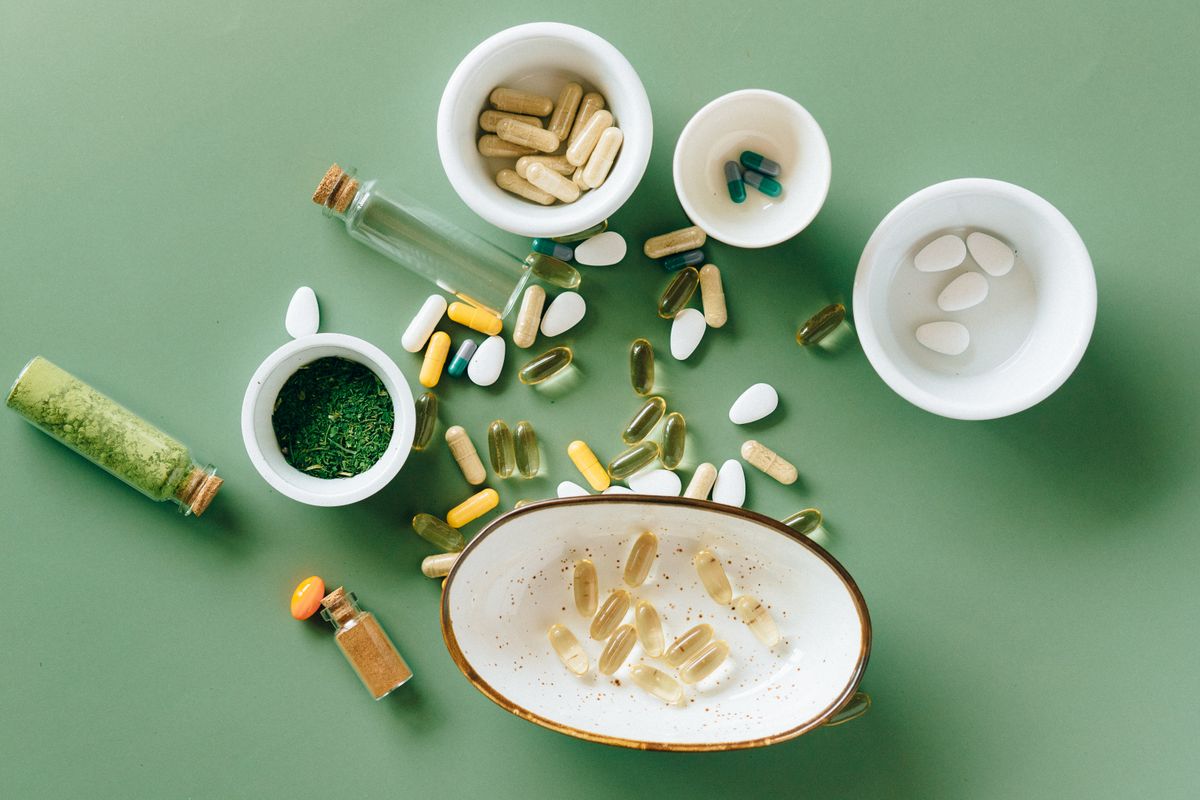
Do Runners Actually Need Supplements?
Honest answer: most don't, most of the time.
If you're eating a balanced diet, sleeping seven hours and running three to five times a week, real food covers nearly everything you need. According to the Sports Science Institute of South Africa, multivitamins haven't shown a measurable performance benefit for trained athletes in controlled studies. The research is clear: a food-first approach beats a pill-first approach for almost every runner.
That said, there are a few exceptions where supplements genuinely move the needle. Endurance training during winter. Heavy sweat losses in SA summer. Periods of high training load. Specific deficiencies like iron in female endurance runners. We'll cover those properly below.
Skip the dodgy stuff: pre-workout powders with mystery proprietary blends, fat-burners, BCAAs (your meals already provide enough), most multivitamins, and anything promising "performance enhancement" without naming what's actually inside.
The Supplements Worth Considering for SA Runners
This list is short on purpose. These are the ones with real evidence.
Electrolytes: The One Most Runners Actually Need
If you live in SA and run anything over an hour, electrolyte supplementation isn't optional. You sweat between 1 and 1.5 litres per hour in summer conditions. Each litre carries 500 to 700mg of sodium. Plain water replaces the volume but not the salt.
The classic SA running mistake: drinking water all day, running for 90 minutes, cramping at km 70 of Comrades, and blaming "bad luck." It wasn't bad luck. It was sodium depletion.
The simple fix: drop a 32Gi Hydrate tab into your training bottle on long runs and hot days. R190 for 20 tabs works out to under R10 per use. For tougher cases like post-illness or extreme heat, a DripDrop ORS sachet is medical-grade rehydration that absorbs faster than any sports drink.
Magnesium: The Cramp Prevention Most Runners Skip
Magnesium plays a real role in muscle relaxation. When magnesium runs low, muscles struggle to release after contracting, and that's where cramps come from. South African runners losing magnesium through heavy sweat on hot training days are particularly prone to deficiency.
You'll get plenty of magnesium from leafy greens, nuts, legumes and dark chocolate if your diet covers those. If it doesn't, or you're cramping consistently despite good hydration and electrolyte intake, an evening magnesium supplement (citrate or glycinate, not oxide) is one of the cheaper interventions worth trying.
Look for 200 to 400mg of elemental magnesium taken with dinner. Don't overdo it. Too much magnesium has its own side effects.
Vitamin D: The Underrated Winter Supplement
SA gets a lot of sun. That doesn't mean you're getting enough vitamin D, especially in Cape Town and Johannesburg winters between June and August.
Vitamin D matters for runners because it influences bone density, immune function and muscle recovery. Low vitamin D in endurance athletes is linked to higher injury rates and slower recovery from training.
For SA runners, 1,000 to 2,000 IU daily through winter is generally safe and supported by research. If you train mostly indoors, work office hours and avoid the sun, this becomes more important. A blood test through your GP is the cheapest way to know if you actually need to supplement, but realistically most SA winter runners benefit.
Iron: Particularly for Female Runners
Female endurance runners are more likely to run iron-deficient than the general population. Heavy training depletes iron through sweat, foot-strike haemolysis (red blood cells breaking down from repeated impact) and menstrual losses.
Symptoms: persistent fatigue that sleep doesn't fix, slower training paces despite consistent work, heavy legs on easy runs, breathlessness on hills you used to climb fine.
Don't supplement iron blind. Get a ferritin test through your GP first. If your levels come back low (under 30 ng/mL is generally considered low for an endurance runner), your doctor can recommend an appropriate iron supplement and dose. Self-supplementing iron without testing can cause its own problems including iron overload over time.
Female athletes over 35, vegetarians, and runners with heavy menstrual cycles should test annually.
Caffeine: The Most Researched Performance Enhancer
Caffeine genuinely works. The research is overwhelming. It improves perceived effort, sharpens focus, slightly boosts endurance, and works in nearly every runner who isn't caffeine-intolerant.
The practical dose: 3 to 6mg per kg of bodyweight, taken 45 to 60 minutes before a hard session or race. For a 70kg runner, that's roughly 200 to 400mg of caffeine. A standard double espresso delivers around 150mg. A caffeinated gel typically delivers 50 to 100mg.
For race day, many SA runners use a caffeinated gel or fuel at km 25 of a marathon for the late-race psychological lift. The classic combination works: a coffee 45 minutes pre-race, then a caffeinated gel two-thirds of the way through.
What not to do: take caffeine on race day if you've never tested it in training. The gut response and the buzz are deeply individual.
Beta-Alanine: For Faster, Shorter Distances
Beta-alanine helps buffer the acid build-up in muscles during high-intensity efforts. It's most effective for events between 1 and 4 minutes long, which means it matters for 800m, 1500m and 5km racing more than for marathons.
If you're a parkrun chaser trying to break 22 minutes, or a track athlete, beta-alanine is one of the few supplements with consistent research backing it. Comrades and Two Oceans runners get less out of it.
Take 3 to 5g daily for at least 4 weeks before you'll notice anything. The harmless side effect is paraesthesia (a tingling sensation) shortly after taking it. Splitting the dose into smaller portions reduces it.
Recovery Nutrition: Not a Supplement, But Worth Mentioning
Most runners think of "recovery supplements" as protein shakes. The truth is that getting carbs and protein in within an hour of finishing a hard session matters more than the format.
Real food works. Chocolate milk, peanut butter on toast, yoghurt with banana. Cheap, effective, and ready faster than any blender bottle.
What Not to Buy as a SA Runner
The list of supplements with no real research behind them is longer than the list with evidence. Here's what to skip:
BCAAs. Your normal protein intake covers it. Saving here.
Pre-workout powders with mystery blends. Often packed with high-dose caffeine and fillers. Buy a coffee.
Generic multivitamins. No measurable benefit for trained athletes. Spend the money on better food.
Fat burners. Don't.
Anything with proprietary blends. If they won't tell you the exact dose of each ingredient, you don't know what you're paying for.
Glutamine, ZMA, deer antler. Marketing-led. Skip.
The SA Runner's Practical Supplement Stack
If you want the short answer for what most SA runners genuinely benefit from, here it is:
Daily through summer: An electrolyte tab in your bottle on long runs and hot training days.
Daily through winter: 1,000 to 2,000 IU vitamin D.
Pre-race or hard session: Coffee 45 minutes before. A caffeinated gel two-thirds through if it's a long event.
Female endurance runners: Annual ferritin test. Iron only if your doctor confirms you need it.
Comrades and ultra athletes: Saltabs or 32Gi Cramp Assalt during the race. Tailwind Recovery for post-race nutrition.
That's a far simpler stack than most supplement aisles will have you believe. Start there. Add anything else only if you have a specific reason backed by either testing or research.
We hand-select every product in our store because we use it ourselves. Browse what actually works and keep the rest of your supplement budget for proper food.