
The Two Oceans Marathon is one of the most beautiful races on earth and one of the easiest to get wrong on nutrition, whether you're tackling the 21km Half or the legendary 56km Ultra. Cape Town's Easter weather swings from cold starts to a warm Constantia Nek climb, and your fuelling has to keep up. This is our practical Two Oceans nutrition plan: how to carb load, what to eat on race morning, exactly when to fuel and hydrate on the route, and how to use the aid stations without wrecking your stomach. No guesswork, just a plan you can rehearse.
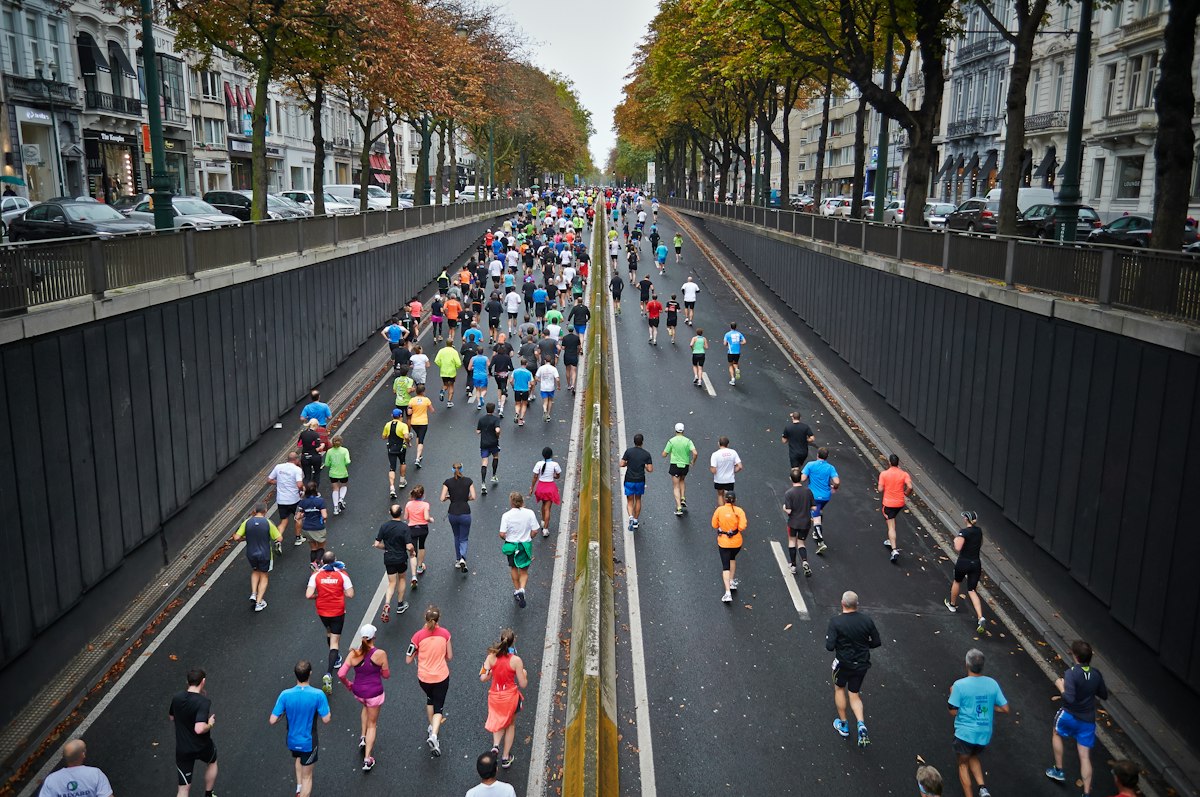
How Should You Fuel Differently for the Half vs the Ultra?
The Half needs a light in-race top-up while the Ultra needs a full, disciplined fuelling plan, because 56km on your feet burns through your stored glycogen no matter how fit you are. For the 21km, most runners need a gel or two and steady hydration. For the 56km, you're looking at hours of continuous fuelling where a missed feed at 35km becomes a death march by 45km.
Think of it this way. The Half is about not running out of energy in the last 5km. The Ultra is about managing a slow, steady fuel supply from the gun so you never hit empty at all. Both reward a plan you've practised, but the Ultra punishes a bad one far harder.
How Do You Carb Load for Two Oceans?
Carb load for the 2 to 3 days before Two Oceans by raising your daily carbs to around 8 to 10g per kilogram of body weight while you taper your running right down. For a 70kg runner that's roughly 560 to 700g of carbs a day, spread across meals rather than crammed into one giant pasta dinner. Lean on simple SA staples: rice, potatoes, pap, samp, pasta and white bread all do the job.
In the final 24 to 48 hours, drop your fibre. Swap brown rice and wholewheat for white versions and go easy on salads and beans, so your stomach starts race morning calm. We cover the full method in our guide to carb loading before a race. Don't overdo it the night before either, an oversized supper just leaves you heavy at the start.
What Should You Eat on Race Morning?
Eat a familiar, low-fibre, carb-rich breakfast 2 to 3 hours before your start, aiming for something like oats, white toast with honey, or a banana with a sports drink. The early Two Oceans start means a pre-dawn breakfast, so keep it to foods you've tested in training. Race morning is no time for a new cereal or a big coffee experiment.
Sip water or an electrolyte drink steadily up to about 30 minutes before the gun, then stop guzzling so you're not queueing for a portaloo at kilometre two. A small top-up gel about 15 minutes before the start tops your tank without sitting heavy. Then trust your loading and get going.
What's the In-Race Fuelling Plan for the 56km Ultra?
For the Ultra, aim for 60 to 90g of carbs per hour using a drip-feed approach, taking something small every 20 to 30 minutes rather than waiting until you feel flat. Set a beep on your watch as a reminder, because by the time you actually feel empty on a 56km race, you're already behind. Runners going steady tolerate 60 to 70g an hour comfortably; those pushing closer to their threshold may aim for 90g, in line with International Society of Sports Nutrition carbohydrate guidance for long-duration efforts.
A practical rotation works best. Alternate a gel like the SIS Beta Fuel Gel, which packs 40g of carbs for the big climbs, with a lighter 32Gi Sports Gel whose credit-card sachet folds open one-handed. Wash gels down with water, not Coke, and keep your electrolytes topping up alongside.
BUILD YOUR TWO OCEANS FUEL KIT
Gels, electrolytes and recovery, hand-tested through our own Two Oceans and Comrades builds. Rehearse it on your long runs.
See competition day fuelHow Do You Use the Two Oceans Aid Stations?
The Two Oceans Ultra route has around 22 well-stocked refreshment stations roughly every 3 to 4km, offering water, Coke in 200ml cups, and energy products, so you never have to carry everything yourself. Use them as your hydration backbone: grab water or electrolyte at most stations and sip rather than gulp. The flat Coke late in the race is a genuine tool, fast sugar plus a little caffeine when you need a lift, which is exactly why so many ultra runners reach for it after 40km.
Here's the catch most first-timers miss: aid-station supplies are great, but bring your own gels for the flavours and timing your stomach actually trusts. Relying entirely on whatever's on the table is how you discover, mid-race, that a new gel doesn't agree with you. Carry your tested favourites and treat the stations as backup and hydration.
How Do You Hydrate and Avoid Cramps at Two Oceans?
Drink to thirst at roughly 400 to 800ml of fluid per hour depending on the heat, and take in 300 to 600mg of sodium per hour to replace what you sweat out on the warmer second half. Cape Town's Easter weather can turn the back stretch warm, and plain water alone over five-plus hours dilutes your blood sodium, which hurts performance and invites cramps. An electrolyte drink or tabs alongside your water solve it.
For runners who cramp despite good hydration, we add 32Gi Cramp Assalt, one about 30 minutes before the start and then one every couple of hours through the race. It targets the cramp directly rather than relying on hydration alone.
We hand-select every race-day product we stock because we've tested them through our own Two Oceans and Comrades builds.
READY TO RUN A SMART TWO OCEANS?
Sort your fuelling well before Easter. Trusted race-day nutrition for the half and the ultra, delivered to your door.
Shop my race fuel